
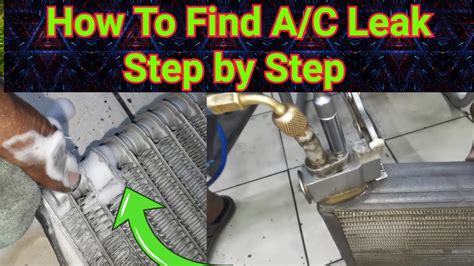
Air conditioning (AC) leaks can be a nuisance, causing discomfort, increased energy bills, and potential damage to your HVAC system. Whether you're a homeowner or a business owner, it's essential to address AC leaks promptly to avoid further complications. In this comprehensive guide, we'll explore effective strategies for identifying and repairing AC leaks, backed by expert insights and real-world examples. From quick fixes to professional solutions, we'll cover it all. Let's dive in and explore five essential tips for tackling AC leaks swiftly and efficiently.
Understanding AC Leaks: Causes and Common Symptoms

Before we delve into repair strategies, let's grasp the fundamentals. AC leaks can occur due to various reasons, including corrosion, wear and tear, physical damage, or even installation errors. The most common signs of an AC leak include decreased cooling performance, ice buildup on coils, unusual noises, and high humidity levels in the vicinity of the unit. Regular inspections and prompt action can prevent minor issues from escalating into major repairs. Experts recommend a proactive approach to AC maintenance to catch leaks early on.
Identifying the Source: A Step-by-Step Guide
Locating the precise source of an AC leak is crucial for an effective repair. Start by visually inspecting the condenser unit, evaporator coils, and refrigerant lines for any visible signs of damage, such as cracks, rust, or drips. Next, listen for any hissing sounds that might indicate a leak. If you suspect a leak, turn off the AC and contact a licensed HVAC technician for a professional diagnosis. Early detection can save you from costly repairs down the line.
| AC Component | Common Leak Sources |
|---|---|
| Condenser Unit | Corrosion, Physical Damage |
| Evaporator Coils | Cracks, Loose Connections |
| Refrigerant Lines | Punctures, Fittings Issues |

Expert Tip: Regular maintenance can help prevent leaks by catching small issues before they become major problems. Schedule annual inspections to ensure your AC system remains in top shape.
...,ac leak symptoms,ac leak causes,ac maintenance
5 Quick Tips for AC Leak Repair

When faced with an AC leak, swift action is crucial to minimize disruption and costs. Here are five expert-recommended tips to tackle AC leaks efficiently:
Tip 1: Locate and Seal Small Leaks
For minor leaks, you can often employ a DIY approach. Use a UV leak detection dye to identify the exact leak location. Once found, clean the area and apply a refrigerant leak sealant specifically designed for AC systems. This quick fix can be effective for small leaks in refrigerant lines or evaporator coils. However, exercise caution and ensure you follow the manufacturer's instructions precisely.
Tip 2: Repair or Replace Damaged Components
If the leak is due to a damaged component, such as a punctured refrigerant line or a corroded condenser, repair or replacement is necessary. For punctured lines, consider using refrigerant line repair kits that allow you to patch the leak without replacing the entire line. In cases of extensive damage, consult a professional for a proper assessment and replacement.
Tip 3: Address Corrosion Issues
Corrosion is a common culprit behind AC leaks. To combat this, apply a corrosion inhibitor to the affected areas. This can prevent further corrosion and help seal minor leaks. Additionally, ensure proper drainage to prevent water buildup, which can accelerate corrosion. Regular cleaning and maintenance can go a long way in preventing corrosion-related leaks.
Tip 4: Tighten Connections
Loose connections can lead to refrigerant leaks. Check all refrigerant line connections, valves, and fittings for tightness. Use a torque wrench to ensure proper tightness without overtightening. This simple step can often resolve minor leaks caused by loose connections.
Tip 5: Consult a Professional for Complex Leaks
While DIY repairs are feasible for minor leaks, complex leaks or repeated issues may require professional intervention. Licensed HVAC technicians have the expertise and tools to diagnose and repair intricate AC systems. They can identify the root cause of the leak and provide long-lasting solutions. Regular professional maintenance can also prevent future leaks.
...,ac leak repair,diy ac repair,hvac maintenance
Prevention: Key Strategies to Avoid Future Leaks
Preventing AC leaks is more cost-effective than repairing them. Implement these preventive measures to keep your AC system leak-free:
- Regular Maintenance: Schedule annual inspections and tune-ups with a licensed HVAC technician. They can identify potential issues and ensure your system operates efficiently.
- Protect Outdoor Units: Cover your outdoor AC unit during harsh weather to prevent physical damage. Regularly clean the area to remove debris that could cause corrosion.
- Proper Drainage: Ensure your AC system's drainage system is clear and functioning correctly. Clogged drains can lead to water buildup, which may cause leaks.
- Use High-Quality Refrigerant: Opt for reputable brands of refrigerant to reduce the risk of leaks. Lower-quality refrigerants may have impurities that can damage your system.
...,ac maintenance schedule,outdoor ac protection,ac drainage issues
Expert Insights: When to Call a Professional
While DIY repairs can be satisfying, certain AC issues are best left to the professionals. Here's when it's advisable to seek expert assistance:
- Complex Leaks: If you're unable to locate the source of the leak or if it's beyond your DIY capabilities, it's time to call a professional. They have the tools and expertise to diagnose and fix intricate problems.
- Repeated Leaks: If you've experienced multiple leaks, it could indicate a deeper issue with your AC system. A professional can conduct a thorough inspection to identify the root cause.
- Safety Concerns: AC leaks can sometimes involve hazardous refrigerants. If you're unsure about the safety implications, it's best to err on the side of caution and consult an expert.
...,ac repair safety,hvac professional services,ac leak diagnosis
Frequently Asked Questions

Can I repair an AC leak myself?
+Yes, you can repair minor AC leaks with DIY methods. However, complex leaks or repeated issues should be handled by professionals. DIY repairs are suitable for small leaks in refrigerant lines or coils.
How often should I have my AC system inspected for leaks?
+It's recommended to have your AC system inspected annually by a licensed HVAC technician. Regular inspections can catch small issues before they become major leaks.
What are the signs of a refrigerant leak?
+Signs of a refrigerant leak include decreased cooling performance, ice buildup on coils, hissing sounds, and high humidity near the AC unit. If you suspect a leak, turn off the AC and contact a professional.
Can corrosion cause AC leaks?
+Yes, corrosion is a common cause of AC leaks. Regular maintenance, proper drainage, and the use of corrosion inhibitors can help prevent corrosion-related leaks.
…,ac leak diy,ac inspection schedule,refrigerant leak signs,corrosion prevention