
Automatic transmission fluid (ATF) leaks are a common concern for vehicle owners, especially as it can lead to costly repairs and significant transmission damage if left unaddressed. This article explores the critical aspects of identifying and fixing these leaks promptly, with a focus on efficient solutions and expert advice. While the DIY approach can be tempting, understanding the complexities and potential risks involved is essential. Let's delve into the world of automatic transmissions and discover how to tackle fluid leaks effectively. Fixing ATF leaks promptly is crucial, as transmission fluid plays a vital role in lubricating and cooling the intricate components within the transmission system. Over time, the fluid can degrade, leading to a loss of efficiency and potential damage to the transmission. Therefore, identifying and addressing leaks is essential to maintaining the health and longevity of your vehicle's transmission.
Understanding Automatic Transmission Fluid Leaks
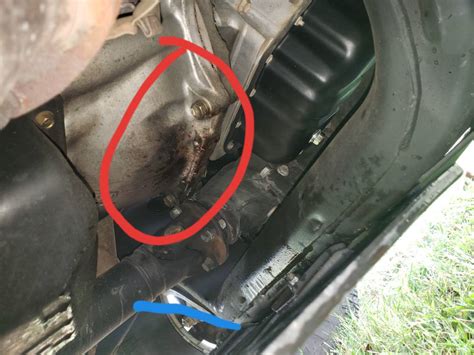
ATF leaks can occur for various reasons, ranging from normal wear and tear to more severe issues within the transmission system. Identifying the cause of the leak is crucial for effective and timely repairs. Here are some common sources of ATF leaks:
- Seals and Gaskets: Worn-out seals and gaskets are the most frequent culprits. Over time, these components can become brittle, crack, or shrink, leading to fluid leakage. Common areas include the transmission pan gasket, front and rear seals, and valve body seals.
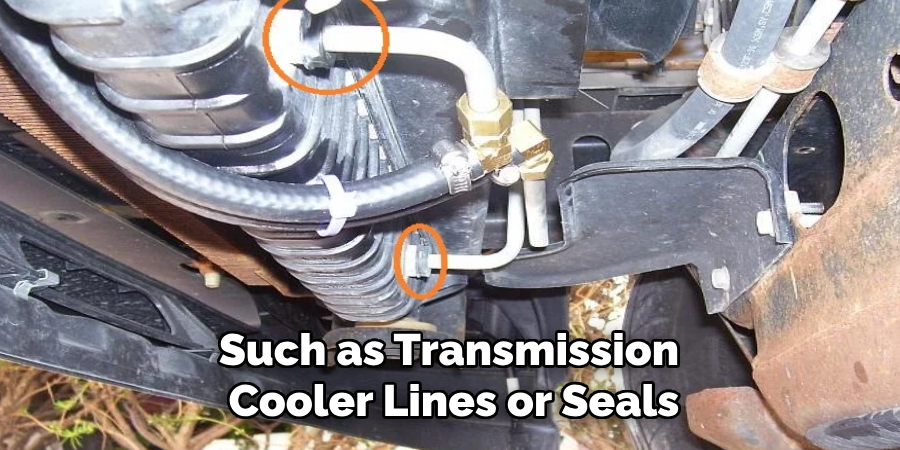
- Transmission Lines and Hoses: The lines and hoses that carry ATF to and from the transmission can develop leaks. This is often due to aging or damage from road debris. Look for signs of corrosion, cracks, or punctures along these lines.
- Transmission Pan: The transmission pan, which sits beneath the transmission, can develop leaks due to damage or a failed gasket. A damaged pan or gasket will allow ATF to drip onto the ground, often leaving a noticeable stain.
- Cooler Lines: If your vehicle has an external transmission cooler, the lines that connect it to the radiator can also develop leaks. These lines can become brittle or damaged, especially in older vehicles.
- Torque Converter: In rare cases, leaks can occur around the torque converter. This is often due to a damaged seal or gasket and may require more extensive repairs.
Identifying the source of the leak is the first step in fixing it. A thorough visual inspection can often reveal the problem area. Additionally, paying attention to any unusual sounds or shifts in your vehicle's performance can provide valuable clues. For instance, a whining noise or a delay in gear changes may indicate a more serious issue that could be related to ATF leaks.
When it comes to addressing ATF leaks, it's important to remember that while some fixes can be relatively straightforward, others may require specialized skills and tools. Always assess the severity of the leak and consider your own mechanical expertise before attempting any repairs. In some cases, it may be more cost-effective and safer to entrust the work to a professional.
,transmission fluid leaks,transmission fluid leak repair,automatic transmission fluid,atf leaks,seal and gasket replacement,transmission repair,transmission fluid replacement,diy transmission repair,transmission cooler,torque converter leaks,automatic transmission maintenanceFast Solutions for ATF Leaks
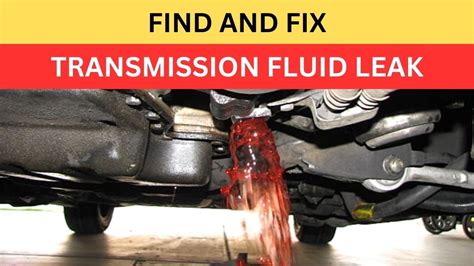
Addressing ATF leaks promptly is crucial to prevent further damage to your vehicle's transmission. Here are some effective strategies to tackle these leaks quickly and efficiently:
Locating and Stopping the Leak
The first step is to identify the source of the leak. This often involves a thorough visual inspection. Look for signs of fluid dripping or staining on the ground, especially beneath the vehicle. Pay close attention to the transmission pan, hoses, and any seals or gaskets that may be visible. A flashlight can be helpful for inspecting in darker areas.
Once you've located the leak, you can try to temporarily stop it using a leak sealant. These sealants are designed to fill small gaps and cracks, preventing fluid from escaping. However, it's important to note that this is only a temporary fix and shouldn't be considered a long-term solution. You'll still need to address the underlying issue to prevent further leaks.
Replacing Worn-out Seals and Gaskets
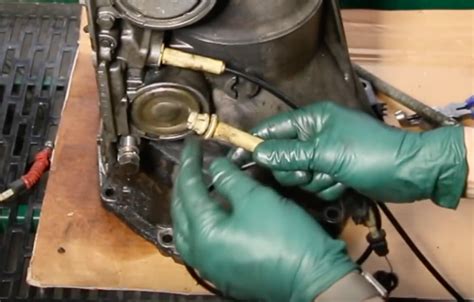
If the leak is coming from seals or gaskets, replacement is often the best course of action. This process typically involves removing the affected component, cleaning the area thoroughly, and installing a new seal or gasket. For example, if the transmission pan gasket is the source of the leak, you’ll need to remove the pan, clean the surface, and install a new gasket before refilling the transmission with fresh ATF.
Keep in mind that replacing seals and gaskets requires some mechanical knowledge and the right tools. If you're not comfortable with this task, it's best to consult a professional mechanic to ensure the job is done correctly.
Repairing Transmission Lines and Hoses
Transmission lines and hoses can develop leaks over time due to wear and tear or damage. If you notice a leak in these components, you may be able to repair it by replacing the affected section of the line or hose. This involves cutting out the damaged portion and installing a new piece. Ensure that the connections are secure and leak-free before refilling the transmission with ATF.
Professional Repair for Complex Issues
Some ATF leaks may be more complex and require specialized knowledge and equipment to fix. For instance, leaks around the torque converter or within the transmission itself often necessitate more intricate repairs. In such cases, it’s best to consult a professional transmission specialist or dealership. They have the expertise and tools to diagnose and repair these issues effectively.
Additionally, if you're unsure about the source of the leak or the extent of the damage, seeking professional advice is always a good idea. A qualified mechanic can provide an accurate diagnosis and recommend the best course of action.
| Leak Source | Potential Solution |
|---|---|
| Seals and Gaskets | Replace worn-out components with new seals and gaskets. |
| Transmission Lines and Hoses | Repair or replace damaged sections. |
| Transmission Pan | Install a new gasket and ensure a proper seal. |
| Complex Issues | Seek professional assistance for accurate diagnosis and repair. |
Prevention and Maintenance
While prompt repairs are crucial for existing ATF leaks, prevention and regular maintenance can help reduce the likelihood of future leaks and keep your transmission in good condition. Here are some proactive measures to consider:
- Regular Fluid Checks: Periodically check your ATF level to ensure it's within the recommended range. This can help you catch leaks early on and prevent more significant issues.
- Fluid Condition: Pay attention to the condition of your ATF. If it appears dark or has a burnt smell, it may be time for a fluid change. Consult your vehicle's manual for the recommended fluid change interval.
- Visual Inspections: Regularly inspect your vehicle's underside for signs of leaks. Catching a leak early can save you from more extensive (and costly) repairs down the line.
- Protective Measures: When working under your vehicle, use drip pans or trays to catch any potential leaks. This can help you identify the source of the leak more easily and prevent fluid from staining your garage floor.
- Professional Inspections: Consider having a professional mechanic inspect your transmission during routine maintenance. They can identify potential issues before they become major problems.
By combining prompt repairs with regular maintenance, you can keep your vehicle’s transmission in optimal condition and avoid the headaches (and costs) associated with ATF leaks.
,transmission fluid maintenance,atf leak prevention,transmission fluid checks,atf condition,preventative maintenance,transmission fluid change intervals,transmission inspections,transmission fluid stains,drip pansCan I drive my car with an ATF leak?
+It’s generally not advisable to drive with an ATF leak. Low ATF levels can lead to transmission damage and failure. If you notice a leak, it’s best to address it promptly to avoid further issues.
How often should I check my ATF level?
+It’s recommended to check your ATF level at least once a month, especially if your vehicle has high mileage. Regular checks can help you identify leaks early and maintain optimal fluid levels.
What are the signs of a severe ATF leak?
+Severe ATF leaks can cause transmission slippage, difficulty shifting gears, and even complete transmission failure. If you experience any of these symptoms, have your vehicle inspected immediately.
Can I use a universal ATF for my vehicle?
+It’s best to use the ATF type recommended by your vehicle’s manufacturer. Using the wrong type of ATF can lead to compatibility issues and potential damage to your transmission.