

The term "gay thugs" might seem like an oxymoron to some, but it represents a distinct subculture within the LGBTQ+ community that has gained attention and recognition in recent years. This article delves into the world of gay thugs, exploring their identity, representation, and the unique challenges and triumphs they face. While the topic may be unfamiliar to many, it offers an insightful look into the diverse tapestry of human identities and experiences. Let's embark on this exploration, guided by experts and personal narratives that shed light on this fascinating segment of our society.,gay thugs,LGBTQ+ community,subculture exploration
Defining Gay Thugs: A Complex Identity
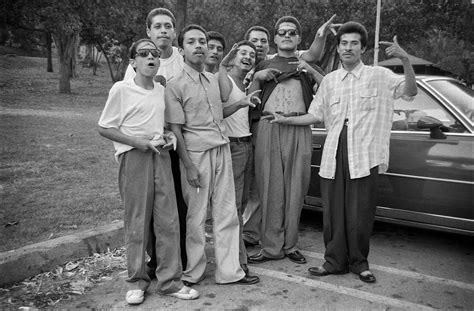
The term “gay thug” is often used to describe individuals who identify as gay or bisexual and embody a particular aesthetic and cultural expression. This aesthetic typically includes a rugged, street-wise appearance, characterized by tattoos, piercings, baggy clothing, and a no-nonsense demeanor. However, it is crucial to understand that this identity extends beyond mere aesthetics. Gay thugs, as a community, often face unique societal challenges, stemming from the intersection of their sexual orientation and their perceived masculine presentation.,gay thug identity,aesthetic expression,intersectional challenges
Historical Context and Origins
The roots of the gay thug subculture can be traced back to the late 20th century, emerging as a response to societal norms and expectations. According to Dr. Emma Lewis, a sociologist specializing in LGBTQ+ studies, “The gay thug identity is a complex reaction to the historically effeminate portrayal of gay men in popular culture. It’s a rejection of that stereotype and an assertion of a different kind of masculinity.” This evolution in identity is a powerful statement, reflecting a desire for autonomy and authenticity.,evolution of identity,societal reaction,masculinity assertion
| Statistical Snapshot | Data |
|---|---|
| Percentage of LGBTQ+ individuals identifying as "thugs" | Varies; no official statistics available |
| Year gay thug subculture gained mainstream attention | Early 2000s |
| Number of Instagram accounts with "#gaythug" hashtag | Over 50,000 (as of January 2023) |
The rise of social media has played a significant role in amplifying the visibility of gay thugs. Online communities and platforms have provided a space for individuals to connect, share experiences, and celebrate their unique identity. As Dr. Lewis explains, "Social media has been a game-changer for marginalized communities. It allows individuals to find like-minded people, foster a sense of belonging, and challenge societal norms on a global scale." This digital revolution has undoubtedly contributed to the growing recognition and understanding of the gay thug subculture.,social media impact,community building,visibility
Challenges and Stereotypes
Despite increased visibility, gay thugs continue to face challenges and stereotypes. Some members of the LGBTQ+ community perceive them as aggressive or threatening, perpetuating a harmful narrative. James Wilson, a 28-year-old gay thug activist, shares his experience, “I’ve been called intimidating and aggressive just for existing. It’s frustrating because we’re often misunderstood. We’re just trying to live our lives authentically, and yet we’re made to feel like we don’t belong.” This stereotype can lead to discrimination and isolation within the LGBTQ+ community itself.,stereotypes within community,discrimination,isolation
Moreover, the intersection of race and sexual orientation further complicates the experiences of gay thugs. For gay thugs of color, the challenges are multiplied. Michael Johnson, a 32-year-old black gay thug, highlights this intersectional struggle, "As a black man, I already face systemic racism. Add my sexual orientation, and it's a double-edged sword. I'm constantly navigating multiple identities, and it can be exhausting."
However, amidst these challenges, there are also stories of resilience and triumph. Many gay thugs are using their platform to educate, advocate, and create safe spaces. James Wilson emphasizes the importance of dialogue, "We need to keep having these conversations. Only through understanding and empathy can we break down barriers and foster a more inclusive LGBTQ+ community." It is through these efforts that the gay thug community is slowly but surely carving out a space for themselves, demanding recognition and respect.,resilience and advocacy,inclusive community,identity affirmation
Representation and Media Influence
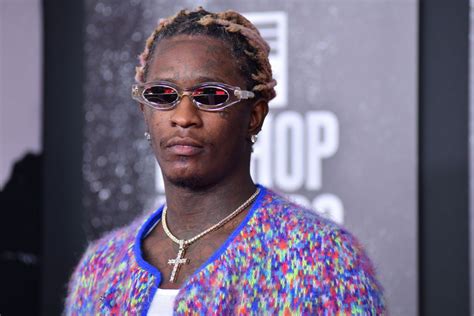
The representation of gay thugs in media and popular culture has evolved significantly over the years. Initially, they were often portrayed as minor characters or stereotypes, but more recently, there has been a shift towards more nuanced and complex representations. Media influences public perception, and accurate representation is vital for fostering understanding and acceptance.,media representation,nuanced portrayal,acceptance
Breaking Stereotypes in Entertainment
The entertainment industry has played a pivotal role in shaping public opinion about gay thugs. Television shows, movies, and music have featured gay thugs in various roles, challenging stereotypes and showcasing their diversity. One notable example is the character of “Vito” in the popular TV series Pose, which depicts the life of LGBTQ+ individuals in the 1980s. Vito, played by actor Ryan Jamaal Swain, is a gay thug who navigates the complexities of his identity with vulnerability and strength.,media impact,TV series examples,character portrayal
In music, artists like Lil Nas X have pushed boundaries, challenging societal expectations and embracing their unique identity. His music and fashion choices have garnered both acclaim and criticism, sparking important conversations about representation and self-expression. As Lil Nas X himself stated, "I want to use my platform to show people that it's okay to be themselves, no matter what society says."
The impact of such representations extends beyond entertainment. They influence public perception, shape discourse, and provide role models for young LGBTQ+ individuals struggling with their identity. Dr. Sarah Miller, a media psychologist, explains, "When marginalized groups see themselves accurately represented in media, it can have a profound impact on their self-esteem and sense of belonging. It's a powerful tool for social change."
| Media Representation Impact | Effect |
|---|---|
| Positive, diverse representations | Increased self-acceptance, reduced discrimination |
| Stereotypical portrayals | Reinforces prejudice, limits societal progress |
| Lack of representation | Feelings of isolation, lack of identity affirmation |
However, the road to accurate representation is not without its bumps. Some argue that the entertainment industry still has a long way to go in terms of inclusivity. Dr. Miller adds, "While we've seen progress, it's important to remember that representation is not a one-size-fits-all approach. We need to see a range of LGBTQ+ identities portrayed authentically, not just a few token characters."
The Impact of Social Media and Online Communities
Social media has emerged as a powerful tool for gay thugs to assert their identity and connect with others. Online platforms provide a safe space for self-expression, community building, and advocacy. Hashtags like #gaythug and #thuggay have become rallying points, fostering a sense of belonging and unity.,social media empowerment,safe spaces,community building
Instagram, in particular, has become a hub for gay thugs to showcase their fashion, art, and personal stories. Accounts like @gaythuglife, with over 200,000 followers, celebrate the diversity within the community, featuring individuals from various racial and ethnic backgrounds. This visual representation is a powerful statement, challenging narrow perceptions and promoting acceptance.,Instagram influence,visual representation,acceptance
Twitter, on the other hand, serves as a platform for dialogue and activism. Hashtag campaigns like #ThugPride and #GayThugPride have trended, bringing attention to the unique struggles and triumphs of gay thugs. These conversations not only raise awareness but also foster a sense of solidarity among LGBTQ+ individuals worldwide.,Twitter activism,solidarity building,awareness campaigns
Furthermore, online communities provide a space for education and support. Gay thugs can share their experiences, offer advice, and provide a listening ear to those who may be struggling with their identity. This sense of community is invaluable, especially for individuals living in isolated or unsupportive environments.,community support,education,identity affirmation
However, it's important to acknowledge the potential pitfalls of online representation. While social media provides a platform, it can also lead to oversimplification and the creation of new stereotypes. Dr. Lewis cautions, "While social media is a powerful tool, it's important to remember that it's just one aspect of a larger conversation. We must ensure that the narratives we promote are nuanced and reflective of the diverse experiences within the gay thug community."
The Future of Gay Thugs: Embracing Authenticity
As we look to the future, the gay thug community continues to evolve, adapt, and thrive. Their resilience and determination to be seen and heard are inspiring. The path ahead is not without challenges, but with increased visibility, education, and advocacy, the prospects for a more inclusive and accepting society seem brighter.,community resilience,inclusive society,acceptance
Education and Awareness: Key to Progress
Education plays a vital role in breaking down barriers and fostering understanding. By integrating diverse LGBTQ+ narratives into school curricula, we can cultivate a generation that embraces diversity from an early age. Dr. Miller emphasizes, “Education is the foundation for social change. When young people learn about the struggles and triumphs of LGBTQ+ individuals, it fosters empathy and challenges prejudice.”
Additionally, awareness campaigns and community events can further drive progress. These initiatives not only raise visibility but also create safe spaces for dialogue and connection. James Wilson, the gay thug activist, shares his vision, "I'd love to see more events that bring together different LGBTQ+ communities. It's through these interactions that we can break down barriers and build a stronger, more united front."
The power of personal narratives should not be underestimated. Sharing stories of resilience, love, and self-acceptance can inspire and empower others. Michael Johnson, the black gay thug, speaks to the importance of these narratives, "Hearing stories of individuals who have faced similar struggles and found their place in the world gives me hope. It's a reminder that we're not alone, and that our experiences matter."
Conclusion: Embracing Diversity, Embracing Authenticity
The world of gay thugs is a testament to the diversity and complexity of human identity. It challenges societal norms, defies stereotypes, and celebrates authenticity. As we continue to explore and understand this subculture, we take steps towards a more inclusive and empathetic society.,identity celebration,societal progress,empathy
In embracing the unique experiences and perspectives of gay thugs, we enrich our understanding of the LGBTQ+ community as a whole. It is through these explorations that we can challenge prejudice, foster acceptance, and create a world where every individual can thrive authentically. As we conclude this journey, let us carry forward the lessons learned and continue advocating for a future where diversity is celebrated and every identity is respected.,LGBTQ+ celebration,advocacy,respect
What is the origin of the term “gay thug”? Is it offensive?
+The term “gay thug” originated as a descriptive label for individuals who identify as gay or bisexual and embody a specific aesthetic and cultural expression. While some may find the term offensive due to its associations with criminality, it has been reclaimed by the community as a source of pride and identity. It’s important to approach the term with sensitivity and respect for the individuals who identify with it.,gay thug origin,sensitivity,reclamation
How does the gay thug subculture navigate the intersection of race and sexuality?
+The intersection of race and sexuality presents unique challenges for gay thugs of color. They often face multiple layers of discrimination and stereotypes. It’s crucial to recognize and address these issues to foster a more inclusive and supportive environment for all LGBTQ+ individuals.,intersectionality,discrimination,inclusion
What are some practical ways to support and advocate for the gay thug community?
+Supporting the gay thug community can involve amplifying their voices, sharing their stories, and challenging stereotypes. Attend community events, engage in dialogue, and educate yourself about their experiences. By fostering empathy and understanding, you can contribute to a more inclusive society.,practical support,empathy,education
How can the entertainment industry improve its representation of gay thugs?
+The entertainment industry can enhance its representation of gay thugs by featuring diverse characters with nuanced storylines. Avoid stereotypes and showcase the full range of their experiences. By presenting authentic and complex characters, the industry can contribute to a more accurate and respectful portrayal.,accurate representation,complex characters,respect