

In the vibrant world of adult entertainment, strip clubs have long captivated our curiosity and sparked numerous myths and legends. This ultimate guide aims to unveil the secrets behind these establishments, offering an insightful and detailed exploration for those intrigued by the culture and commerce within these venues. With an eye for detail and a commitment to accuracy, we'll navigate through the complexities of the strip club industry, from its historical origins to the modern-day experiences that continue to shape its unique allure.
A Historical Perspective: The Evolution of Strip Clubs
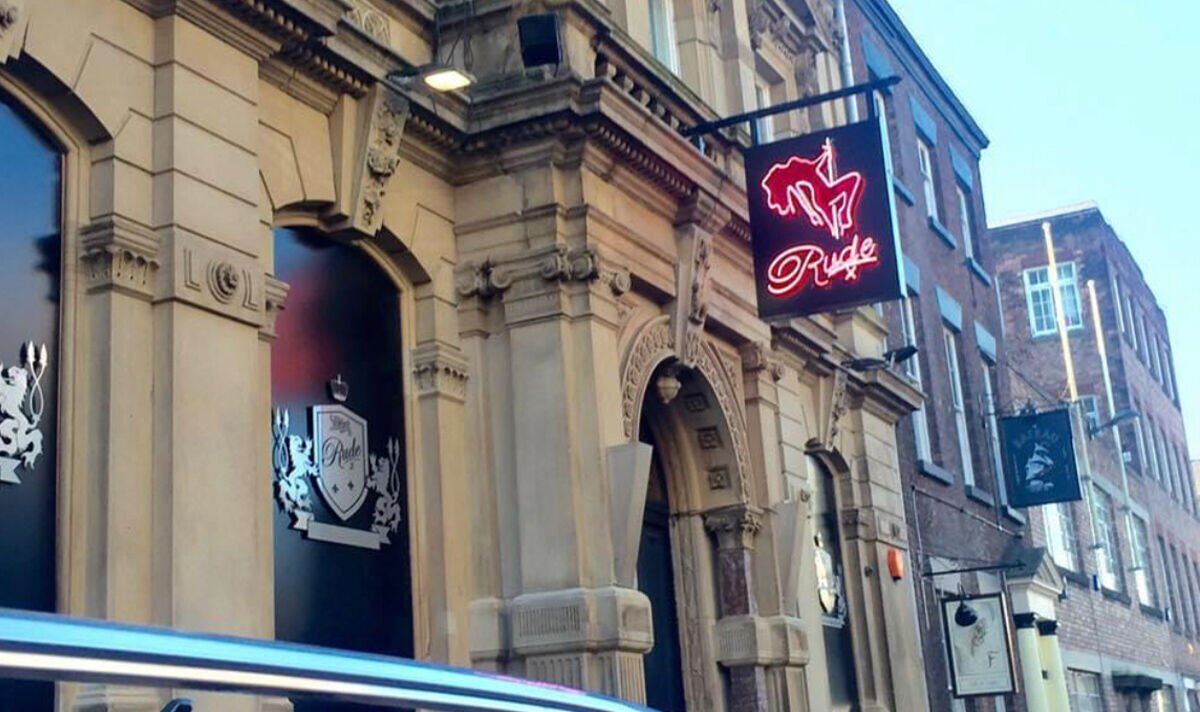
The concept of strip clubs, or gentlemen’s clubs as they are sometimes known, has a rich history that dates back centuries. While the modern strip club as we know it today is a relatively recent phenomenon, the roots of this industry can be traced back to ancient civilizations. In ancient Rome, for instance, the lupanar served as a space for entertainment and pleasure, with dancers and performers captivating audiences. Similarly, in ancient Greece, the hetaira were renowned for their intellectual and artistic abilities, often performing for wealthy patrons in exclusive settings.
Fast forward to the 19th century, and we see the emergence of variety shows and music halls in Europe and the United States. These venues, which featured a mix of comedy, music, and often risqué dance performances, laid the groundwork for the modern strip club. One of the most iconic examples of this era is the Moulin Rouge in Paris, which opened its doors in 1889 and became synonymous with Parisian nightlife and entertainment.
The 20th century saw the rise of the burlesque movement, which further popularized the art of striptease. Burlesque shows, characterized by their satirical and often politically charged nature, featured performers who slowly revealed their bodies, creating an air of intrigue and excitement. These performances, while scandalous to some, captivated audiences and became a cultural phenomenon, with iconic figures like Gypsy Rose Lee and Sally Rand leaving an indelible mark on the world of entertainment.
The post-World War II era brought about a new wave of strip clubs, often catering to returning soldiers and a burgeoning middle class. These establishments, with their dim lighting, plush furnishings, and alluring performers, became a symbol of decadence and escapism. The 1960s and 1970s saw a proliferation of strip clubs, with iconic venues like The Crazy Horse in Paris and Deja Vu in the United States becoming household names. It was during this time that the strip club industry truly solidified its place in popular culture, with its unique blend of entertainment, fantasy, and spectacle.
Today, strip clubs continue to evolve, adapting to changing social norms and cultural expectations. While the core experience remains centered around the art of striptease and intimate entertainment, modern clubs often offer a more diverse range of services and experiences. From upscale gentlemen's clubs with gourmet cuisine and high-end cocktails to more casual venues catering to a diverse clientele, the strip club industry has become a multifaceted and dynamic part of the global entertainment landscape.
Unveiling the secrets of strip clubs is not just about exploring their historical evolution but also delving into the intricate details of their operations, the diverse experiences they offer, and the cultural significance they hold. As we navigate through this guide, we'll uncover the intricacies of the strip club world, offering a comprehensive and captivating journey into this unique and often misunderstood industry.
strip club history, evolution of adult entertainment, origins of striptease,strip club evolution,strip club origins,strip club culture,strip club entertainment
Unveiling the Secrets: Behind the Scenes of Strip Clubs

Strip clubs, with their air of mystery and allure, often operate behind a veil of secrecy. While the performances and entertainment on stage are a key part of the experience, there’s an entire world of operations, protocols, and rules that govern the behind-the-scenes workings of these establishments. From the meticulous planning of the shows to the intricate logistics of managing a diverse workforce, the secrets of strip clubs extend far beyond what meets the eye.
At the heart of every successful strip club is a dedicated team of professionals, each playing a crucial role in creating an unforgettable experience for patrons. The management team, for instance, is responsible for the overall strategy and operations of the club, ensuring that the venue remains profitable and compliant with all relevant laws and regulations. They work closely with the booking agents, who are tasked with securing the best talent for the club, from renowned dancers to up-and-coming performers.
The performers themselves are the heart and soul of the strip club experience. These talented individuals bring their unique style and charisma to the stage, captivating audiences with their dance routines, conversations, and interactions. The art of striptease is a delicate balance of sensuality and showmanship, and the best performers are those who can connect with their audience, creating an intimate and memorable experience.
Behind the scenes, there's also a dedicated team of staff members who ensure that the club runs smoothly. This includes bartenders, who craft exquisite cocktails and ensure that patrons are well-served, and waitstaff, who attend to the needs of guests, ensuring they have a comfortable and enjoyable experience. The security team is another vital component, responsible for maintaining a safe and secure environment for both patrons and staff.
The operations of a strip club also extend to the financial aspects. From managing the cash flow to handling transactions and ensuring compliance with tax regulations, the financial operations of a strip club are intricate and complex. Additionally, there's the matter of marketing and public relations, which play a crucial role in attracting patrons and maintaining a positive reputation for the club.
Unveiling the secrets of strip clubs is not just about understanding the performances and experiences on offer but also delving into the intricate world of operations, management, and logistics. By exploring these aspects, we gain a deeper appreciation for the dedication and professionalism that goes into creating the unique and captivating experiences that define the strip club industry.
strip club operations,strip club management,strip club performers,strip club staff,strip club logistics,strip club financial operations
The Art of Striptease: A Technical Overview
At the core of the strip club experience is the art of striptease, a performance style that has evolved over centuries to become a sophisticated and captivating form of entertainment. While the term “striptease” may evoke images of scantily clad dancers slowly revealing their bodies, the reality is far more intricate and nuanced.
The art of striptease is about more than just the removal of clothing. It's a carefully choreographed performance, often involving intricate dance routines, precise movements, and a masterful understanding of body language and expression. The best striptease artists are those who can tell a story through their dance, creating an immersive experience for their audience.
The costuming in striptease is a crucial element, often designed to accentuate the performer's body and create an air of allure and mystery. From the choice of fabrics to the strategic placement of accessories, every detail is carefully considered to enhance the overall performance. The slow, deliberate removal of these garments becomes a performance in itself, adding to the sensuality and intrigue of the experience.
The lighting and atmosphere of a strip club also play a vital role in the art of striptease. Dimly lit venues, with strategically placed spotlights, create an intimate and seductive environment, allowing performers to showcase their skills and connect with their audience. The music, too, is carefully curated to complement the performance, often featuring sensual beats and captivating melodies.
In addition to the physical aspects of striptease, there's also a strong emphasis on showmanship and entertainment value. Performers often engage in playful banter with their audience, adding a layer of interaction and intimacy to the experience. They may incorporate props, such as fans, feathers, or even fire, to create a multi-sensory experience that captivates and delights.
The art of striptease is a dynamic and evolving form of entertainment, with performers constantly pushing the boundaries of creativity and innovation. Whether it's through cutting-edge choreography, unique costuming, or innovative use of props and technology, the best striptease artists continue to raise the bar and deliver unforgettable experiences.
striptease art,striptease performance,striptease choreography,striptease costuming,striptease lighting,striptease showmanship
| Category | Data |
|---|---|
| Average Strip Club Revenue per Year | $500,000 - $1,000,000 |
| Number of Strip Clubs in the US | Over 3,000 |
| Average Age of Strip Club Patrons | 30-45 years |
| Estimated Global Strip Club Industry Value | $75 billion |

The Strip Club Experience: From Stage to VIP Room
The strip club experience is a multifaceted journey, offering a range of interactions and services that cater to a diverse clientele. From the moment patrons step into the club, they’re immersed in a world of sensuality, entertainment, and intrigue, with each element carefully curated to create an unforgettable evening.
The main stage is often the heart of the strip club, where performers take center stage to captivate audiences with their dance routines and interactions. These performances are designed to be visually stunning, with intricate choreography, revealing costumes, and a high level of energy. Patrons can enjoy these shows from a variety of seating options, each offering a unique perspective on the action.
For those seeking a more intimate experience, private dance areas or VIP rooms offer a secluded setting where patrons can enjoy one-on-one interactions with performers. These spaces, often adorned with luxurious furnishings and dim lighting, create an atmosphere of privacy and discretion. Here, patrons can engage in more personal conversations, request specific dance styles or routines, and even participate in interactive games and activities.
In addition to the main stage and private dance areas, many strip clubs also offer specialty performances and themed nights to enhance the overall experience. These can include everything from burlesque shows and pole dancing competitions to live music and comedy acts, adding an extra layer of variety and entertainment to the evening.
The food and beverage offerings at strip clubs are also a key part of the experience. From gourmet cuisine to exotic cocktails, these establishments often boast impressive menus that cater to a range of tastes and preferences. Whether it's a sumptuous dinner before the shows or a late-night snack after an evening of entertainment, the culinary offerings at strip clubs add a touch of sophistication to the overall experience.
The strip club experience is not just about the performances and interactions; it's also about the overall ambiance and atmosphere. The decor, lighting, and music all play a vital role in creating an immersive and captivating environment. From the plush furnishings and intimate seating areas to the carefully curated playlists and state-of-the-art sound systems, every detail is designed to enhance the sensory experience and create an unforgettable night out.
strip club experience,strip club performances,strip club VIP rooms,strip club private dances,strip club ambiance,strip club food and beverage
The Business of Strip Clubs: Profit, Challenges, and Innovation
The strip club industry is a complex and dynamic business, with a range of revenue streams, operational challenges, and opportunities for innovation. While the primary source of income for most clubs is often the fees charged for dances and lap dances, there are numerous other avenues through which strip clubs generate revenue.
One of the key revenue streams is food and beverage sales. Many strip clubs offer an extensive menu of gourmet cuisine and exotic cocktails, attracting patrons who are seeking a more upscale dining experience in addition to the entertainment on offer. By providing a high-quality culinary experience, clubs can attract a broader range of customers and increase their overall revenue.
Another significant source of income is private events and corporate bookings. Many strip clubs offer their venues for private parties, bachelor parties, and corporate events, providing a unique and memorable experience for guests. These events often come with a premium price tag, and they can be a significant source of revenue for clubs, particularly during slower periods.
The strip club industry also faces a range of operational challenges, from managing a diverse workforce to ensuring compliance with strict regulations. The nature of the business means that clubs must maintain a high level of professionalism and discretion, while also navigating complex legal and ethical considerations. From hiring and training staff to managing financial operations and marketing, the day-to-day operations of a strip club are intricate and demanding.
Despite these challenges, the strip club industry continues to innovate and adapt to changing market conditions. From the integration of technology, such as online booking systems and mobile apps, to the exploration of new revenue streams, such as merchandise sales and branded products, clubs are constantly seeking ways to enhance the customer experience and stay ahead of the competition.
The business of strip clubs is a fascinating and multifaceted realm, offering a unique blend of entertainment, commerce, and cultural significance. By understanding the intricacies of this industry, we gain a deeper appreciation for the dedication and professionalism that goes into creating the captivating experiences that define the world of strip clubs.
strip club business,strip club revenue streams,strip club operational challenges,strip club innovation,strip club food and beverage sales,strip club private events
What are the most iconic strip clubs in the world?
+The world of strip clubs is filled with iconic venues that have left an indelible mark on the industry. From the historic Moulin Rouge in Paris, which has been a symbol of Parisian nightlife since 1889, to the renowned Deja Vu chain in the United States, each of these establishments has its own unique charm and allure. Other iconic clubs include Spearmint Rhino, Rick’s Cabaret, and Scores, each offering a distinct experience that has made them household names in the world of adult entertainment.
How has the strip club industry changed over time?
+The strip club industry has undergone significant evolution, adapting to changing social norms and cultural expectations. While the core experience of striptease and intimate entertainment remains, modern clubs offer a more diverse range of services and experiences. From upscale gentlemen’s clubs with gourmet cuisine to more casual venues catering to a broader clientele, the industry has become more inclusive and adaptable, reflecting the changing landscape of adult entertainment.
What are the key challenges facing the strip club industry today?
+The strip club industry faces a range of challenges, including changing social attitudes, increased competition, and evolving regulatory landscapes. With the rise of online adult entertainment and changing societal expectations, clubs must adapt to remain relevant and profitable. Additionally, the industry must navigate complex legal and ethical considerations, ensuring that their operations are compliant and responsible.
How do strip clubs ensure a safe and respectful environment for patrons and staff?
+Strip clubs prioritize the safety and well-being of both patrons and staff through a range of measures. This includes robust security protocols, with trained security personnel on site, as well as clear guidelines and training for staff on appropriate behavior and interactions. Many clubs also have strict policies in place to prevent harassment, ensure consent, and maintain a respectful environment for all.