
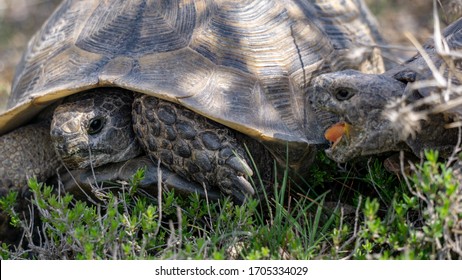
In the vast and mysterious world of reptiles, the mating rituals and behaviors of turtles have long intrigued scientists and nature enthusiasts alike. The Ultimate Guide: Turtle Mating Secrets aims to unravel the complexities of these ancient creatures' reproductive strategies, offering an in-depth exploration of their fascinating reproductive behaviors and the environmental factors that influence them. This guide delves into the unique adaptations and strategies employed by various turtle species, shedding light on the intricate dance of courtship and the often-challenging journey to successful reproduction. Join us as we navigate the secrets of turtle mating, uncovering the hidden facets of their natural history and the critical role they play in the delicate balance of ecosystems.
Unveiling the Turtle’s Reproductive Journey: A Complex Strategy
Turtle mating is a captivating and intricate process, varying greatly across species and influenced by a myriad of environmental and biological factors. From the leatherback sea turtle’s (Dermochelys coriacea) annual migration to breeding grounds to the unique nest-building techniques of the painted turtle (Chrysemys picta), each species showcases its own set of behaviors and adaptations. This section explores the diverse strategies employed by turtles during the reproductive season, shedding light on the intricate web of factors that influence their mating success.
One of the most fascinating aspects of turtle mating is the role of timing. Many species exhibit a highly synchronized reproductive cycle, with females reaching sexual maturity at specific ages and males becoming more aggressive during certain seasons. For instance, the female green sea turtle (Chelonia mydas) may travel thousands of miles to return to her natal beach to lay her eggs, a behavior known as natal homing, which ensures the continuation of the species in its original habitat. Meanwhile, the male freshwater map turtle (Graptemys geographica) intensifies his pursuit and display behaviors during the warmer months, when females are most receptive.
Turtle courtship and mating rituals are equally diverse and often involve intricate displays and behaviors. The male loggerhead sea turtle (Caretta caretta), for example, engages in a series of rapid head movements and shell-biting displays to assert dominance and attract females. In contrast, the male red-eared slider (Trachemys scripta elegans) performs a more subtle yet precise ritual, gently stroking the female's head and neck with his elongated claws in a delicate dance-like movement.
The Role of Environment and Climate
Environmental conditions play a pivotal role in turtle mating. The availability of suitable nesting sites, for instance, can greatly influence the success of a species. Female turtles often return to the same beach where they hatched, digging nests in the sand to lay their eggs. This behavior, known as philopatry, ensures the species’ continued presence in a particular area. However, changing environmental conditions, such as rising sea levels or coastal development, can threaten these nesting grounds, disrupting the delicate balance of turtle populations.
Climate also plays a significant factor. Warmer temperatures can affect the sex determination of certain turtle species, with cooler temperatures producing more males and warmer temperatures yielding more females. This temperature-dependent sex determination is a critical aspect of turtle biology, influencing the future survival and genetic diversity of the species.
| Species | Courtship Behavior | Environmental Influence |
|---|---|---|
| Leatherback Sea Turtle | Head nodding and flipper waving | Annual migration to breeding grounds |
| Painted Turtle | Male approaches female from behind, stroking her shell | Nesting sites in shallow water |
| Green Sea Turtle | Male bites female's neck and forelimbs during mating | Natal homing for egg-laying |

...turtle courtship, reproductive strategies, environmental influences,fauna behaviors,animal behavior analysis,ecological impact
The Challenges of Turtle Mating: Survival and Adaptation
Turtle mating is not merely a biological process but a complex strategy for survival and adaptation. The journey to successful reproduction is fraught with challenges, from finding a mate to ensuring the survival of offspring. This section delves into the various obstacles that turtles face during their reproductive cycle and the remarkable adaptations they have evolved to overcome these hurdles.
Finding a Mate: The Search for Compatibility
The first challenge for turtles is finding a suitable mate. This process can be particularly challenging for species that live solitary lives, such as the hawksbill sea turtle (Eretmochelys imbricata). These turtles must navigate vast ocean expanses to locate potential partners, often relying on pheromones and visual cues to identify compatible individuals. The male hawksbill, for instance, uses his highly sensitive nose to detect the scent of females, while both sexes employ visual displays to assess each other’s fitness and compatibility.
Once a potential mate is found, the courtship process begins. This often involves intricate rituals and displays, such as the male snapping turtle's (Chelydra serpentina) aggressive pursuit of females, which can include biting and shell-ramming. Despite the potential for injury, these behaviors are crucial for species recognition and mate selection.
The Battle for Nesting Sites
For many turtle species, the battle for nesting sites is a critical aspect of their reproductive journey. Female turtles, particularly those that lay their eggs on land, face intense competition for suitable nesting grounds. The quality of the nesting site can greatly impact the survival of the eggs and hatchlings. As a result, females may travel long distances to find the perfect spot, often returning to the same beach year after year.
The challenge of finding a safe and suitable nesting site is particularly acute for species like the loggerhead sea turtle, which often faces threats such as beach erosion, coastal development, and predation. These threats can significantly reduce the number of successful nests, impacting the overall population of the species.
Protecting the Next Generation: Parental Care and Camouflage
Once the eggs are laid, turtles employ a range of strategies to ensure the survival of their offspring. While most turtle species exhibit no parental care, some, like the softshell turtle (Trionyx), provide limited protection and guidance to their young. The softshell turtle, for instance, digs a nest in the mud, often near water, and stays close by until the hatchlings emerge, providing some degree of protection from predators.
Camouflage is another crucial adaptation for turtle hatchlings. Many species, such as the leatherback sea turtle, hatch with a dark, leathery appearance that blends well with their ocean surroundings, providing protection from predators as they make their way to the water's edge.
...turtle reproductive challenges, adaptation strategies, nesting sites, parental care, hatchling survival,fauna reproduction, turtle conservation, marine life strategies
Unraveling the Mysteries of Turtle Mating: A Conservation Imperative
The secrets of turtle mating are not just intriguing from a scientific perspective; they are also crucial for conservation efforts. Understanding the intricate behaviors and adaptations of turtles during their reproductive cycle can provide critical insights into their ecological role and the threats they face. By studying these ancient reptiles, we can develop effective strategies to protect their populations and the delicate ecosystems they inhabit.
The Role of Research and Conservation
Research plays a pivotal role in turtle conservation. Scientists study turtle mating behaviors, migration patterns, and nesting habits to identify key threats and develop conservation strategies. For instance, understanding the specific nesting sites and migration routes of sea turtles can help protect these areas from human activities such as coastal development and pollution.
Conservation efforts also involve the protection and restoration of turtle habitats. This includes the preservation of beaches and coastal areas, the reduction of light pollution which can disorient hatchlings, and the implementation of measures to reduce the impact of climate change on turtle populations.
Turtle Mating and the Ecosystem
Turtle mating is not an isolated event but a crucial component of the ecosystem. Sea turtles, for example, play a vital role in maintaining the health of coral reefs and seagrass beds. Their eggs and hatchlings provide a food source for various predators, contributing to the overall biodiversity of the ecosystem. Additionally, sea turtles act as long-distance transporters of nutrients, carrying essential elements from the ocean to coastal areas when they come ashore to nest.
Freshwater turtles also contribute to their ecosystems. Their nesting habits can enhance soil fertility, and their presence in aquatic environments helps control the population of certain species, maintaining the balance of the food chain.
What are some of the most common threats to turtle mating and reproduction?
+Turtles face numerous threats during their reproductive cycle, including habitat loss, pollution, predation, and climate change. These factors can disrupt their mating behaviors, reduce the availability of suitable nesting sites, and impact the survival of eggs and hatchlings. Human activities, such as coastal development and light pollution, also pose significant threats to turtle populations.
How can we protect turtle nesting sites and ensure successful reproduction?
+Protecting turtle nesting sites involves a range of conservation measures. These include implementing beach clean-up programs to reduce pollution, minimizing light pollution near nesting beaches, and enforcing regulations to prevent coastal development in critical nesting areas. Community engagement and education are also crucial to ensure the long-term protection of these sites.
What is the role of turtles in the ecosystem, and how does their mating behavior contribute to this role?
+Turtles play a vital role in maintaining the health and balance of ecosystems. Their mating behaviors and reproductive strategies contribute to this role by ensuring the continuation of the species, providing food for predators, and acting as nutrient transporters. By understanding and protecting turtle mating behaviors, we can help maintain the overall health of the ecosystems they inhabit.
…turtle conservation, ecosystem role, reproductive threats, habitat protection, fauna protection,marine conservation, environmental impact